
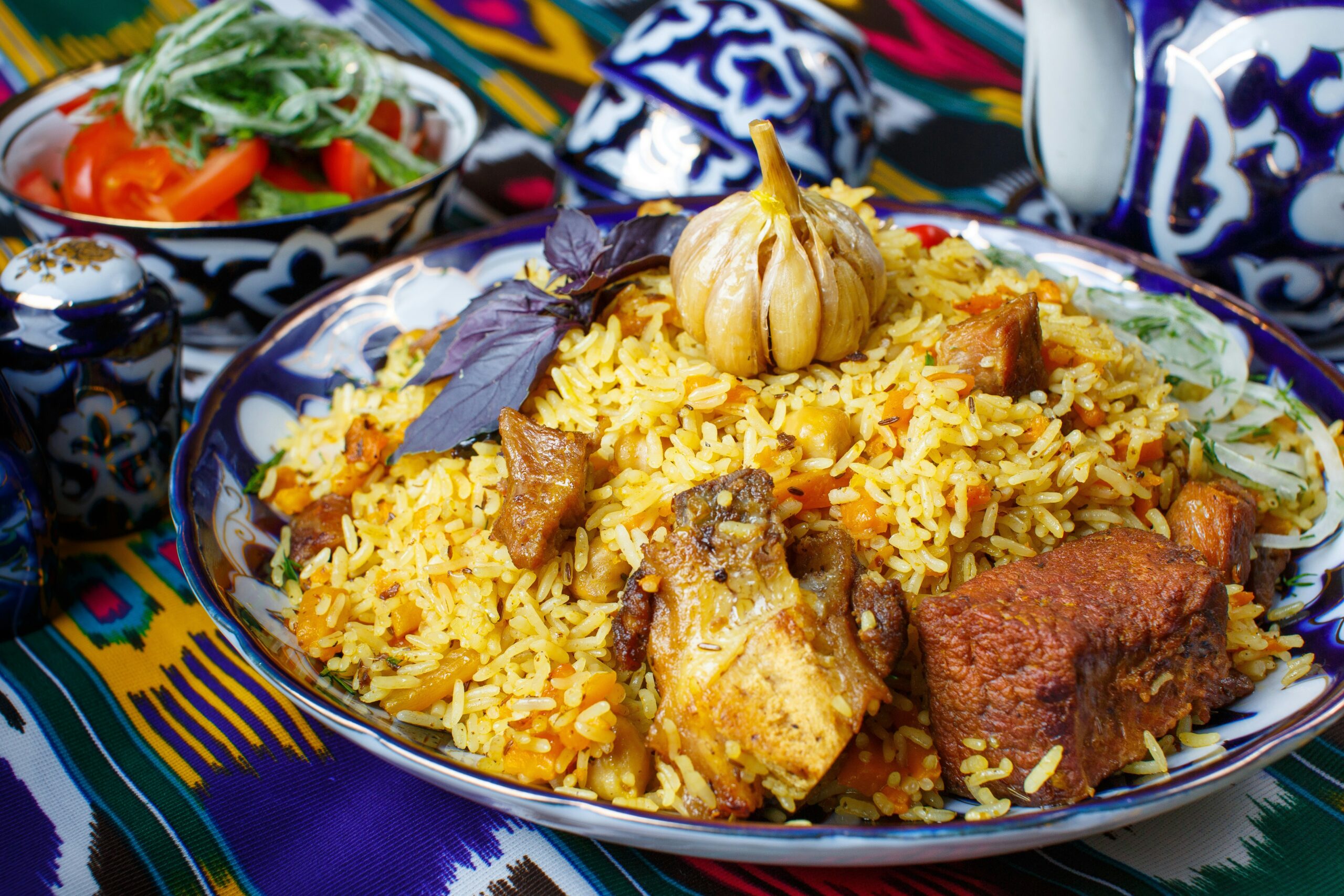

There are few dishes that create as much passion and debate as jollof rice. Across West Africa, from Nigeria to Ghana, Senegal to Sierra Leone, everyone claims their version is the best. And honestly? They’re all right. Every pot of jollof rice tells a different story.
I learned to make jollof rice from watching my grandmother. She never used measuring cups or followed written recipes. Everything was by feel, by taste, by the color of the tomatoes and the smell rising from the pot. It took me years to understand that jollof rice isn’t just about following steps. It’s about understanding what the rice needs.
Why Jollof Rice Matters
Jollof rice is celebration food. It shows up at weddings, birthdays, Sunday dinners, and any gathering where people come together. The sight of that deep red-orange rice, perfectly cooked with just the right amount of smokiness at the bottom, means something special is happening.
But it’s also everyday food. Simple enough to make on a Tuesday night, impressive enough to serve to guests. Once you get the basics down, you’ll find yourself making it again and again.
The Science Behind Perfect Jollof
Good jollof rice comes down to three things. First, the tomato base needs to be cooked until the raw taste disappears and the oil separates. This takes longer than you think. Second, the rice-to-liquid ratio has to be right – too much water and you get mush, too little and the rice stays hard. Third, you need patience. Let the rice steam undisturbed so it absorbs all those flavors and develops that prized crispy bottom.
The tomato base is where most people rush things. When you fry the blended tomatoes with the paste, you’re doing two things. You’re concentrating the flavor and you’re cooking out the acidity. Keep stirring and cooking until the mixture darkens and reduces by almost half. When you see oil pooling at the edges, you’re ready for the next step.
Getting the Right Equipment
You don’t need fancy equipment for jollof rice. A heavy-bottomed pot with a tight-fitting lid works best. The heavy bottom prevents burning, and the tight lid traps steam. I use a regular Dutch oven, but my grandmother made perfect jollof in whatever pot she had.
About the Spices
The heat in jollof rice comes from scotch bonnet peppers, but you control how much. If you want mild jollof, use one pepper whole (don’t cut it) and remove it before serving. For medium heat, blend one pepper into the tomato mixture. For proper spicy jollof, use two or three blended peppers. You can always add heat, but you can’t take it away.
The curry powder and thyme are not traditional to all regions, but they add depth. Some cooks skip them entirely. Some add bay leaves. There’s no single right answer. Cook it the way your family does, or experiment until you find what works for you.
Tips for Success
Use parboiled rice – it holds its shape better and absorbs flavor without getting mushy. Regular long grain rice can work but requires more attention. Rinse the rice until the water runs clear. This removes excess starch and helps prevent sticking.
Don’t stir the rice too much once it starts cooking. Add your rice, spread it evenly, pour in the stock, and leave it alone. Stirring breaks the grains and releases starch, making everything sticky. The only time you should stir is right at the beginning when you first add the rice to coat it with the tomato mixture.
When the liquid is almost absorbed but the rice isn’t quite done, reduce the heat to low, cover tightly, and let it steam. This is when that crispy bottom layer forms. Some people love it, some people don’t care, but it’s part of what makes jollof rice special.
Common Mistakes to Avoid
The biggest mistake is using too much water. The rice should be just tender, not soft. Start with less liquid than you think you need. You can always add more, but you can’t take it away.
Another mistake is using weak stock or just water. The rice absorbs whatever liquid you give it, so make that liquid count. Good stock makes a huge difference. If you’re using bouillon cubes, use good quality ones and don’t oversalt – those cubes are already salty.
Serving Suggestions
Jollof rice is complete on its own, but it’s even better with sides. Fried plantains are classic. So is coleslaw for some freshness. Grilled or fried chicken, beef, or fish work well. Some people add boiled eggs. My favorite is simple – just jollof rice with crispy fried plantains and some pepper sauce on the side.
Leftovers keep well in the fridge for three to four days. Reheat gently with a splash of water to keep the rice from drying out. Some people say jollof rice tastes even better the next day after the flavors have had time to develop.
A Note on Variations
Every cook has their own way. Some add vegetables like carrots, peas, and green beans. Some use different proteins. Some make it with brown rice or cauliflower rice for a healthier version. Once you master the basic technique, feel free to make it your own.
The recipe below is my version, influenced by my grandmother’s cooking but adapted for modern kitchens with measurements and clear steps. Use it as a starting point, then adjust to your taste.
Ingredients
| Ingredient | Amount | Notes |
| Long grain parboiled rice | 3 cups | Must be parboiled for best results |
| Blended tomatoes | 2.5 cups | Fresh or canned whole tomatoes |
| Tomato paste | 4 tablespoons | Adds depth and color |
| Onions | 2 large | One blended, one sliced |
| Red bell peppers | 2 medium | Blended with tomatoes |
| Scotch bonnet peppers | 1 to 3 | Adjust to your heat preference |
| Chicken or vegetable stock | 4 cups | Good quality makes a difference |
| Vegetable oil | 1/2 cup | For frying tomato base |
| Garlic and ginger paste | 2 tablespoons each | Fresh or prepared paste |
| Curry powder | 2 teaspoons | Adds warm flavor |
| Dried thyme | 1 teaspoon | Or fresh thyme sprigs |
| Bay leaves | 2 | Remove before serving |
| Seasoning cubes | 3 | Maggi or Knorr brand |
Instructions
Step 1: Prepare Your Ingredients
Rinse the rice in cold water until the water runs clear. Drain and set aside. Blend the tomatoes, red peppers, one onion, and scotch bonnet peppers together until smooth. Slice the second onion. Mix the garlic and ginger paste together. Have your spices measured and ready. Mise en place makes everything easier.
Step 2: Cook the Tomato Base
Heat the oil in a large, heavy-bottomed pot over medium-high heat. Add the sliced onions and cook until soft and translucent, about five minutes. Add the garlic and ginger paste and cook for another minute until fragrant. Add the tomato paste and fry, stirring constantly, for two to three minutes.
Pour in your blended tomato mixture. Bring to a boil, then reduce heat to medium. Cook, stirring frequently, for 25 to 30 minutes. You’re reducing the liquid and cooking out the raw tomato taste. The mixture should darken and thicken significantly. When you see oil pooling at the edges, you’re ready.
Step 3: Add Rice and Seasonings
Add the curry powder, thyme, bay leaves, and seasoning cubes to the tomato base. Stir well. Add the drained rice and stir to coat every grain with the tomato mixture. Let this cook for about two minutes, stirring occasionally.
Step 4: Add Stock and Cook
Pour in the stock. The liquid should just cover the rice by about half an inch. Stir once, then taste the liquid and adjust seasoning if needed. Remember, this liquid becomes your rice, so it should taste good. Bring to a boil.
Once boiling, reduce heat to low, cover tightly with a lid, and let cook undisturbed for 25 to 30 minutes. Don’t lift the lid, don’t stir, don’t peek. Just let it cook.
Step 5: Check and Steam
After 25 minutes, check the rice. The liquid should be absorbed and the rice should be tender but still have a bit of bite. If there’s still liquid and the rice isn’t done, cover and cook for another five minutes. If the rice is undercooked but there’s no liquid left, sprinkle a few tablespoons of water over the top, cover, and steam for another five minutes.
Step 6: Rest and Serve
Once the rice is cooked, turn off the heat but leave the pot covered. Let it rest for five to ten minutes. This final steaming finishes the cooking and helps develop that crispy bottom layer if you want it.
Fluff gently with a fork, remove the bay leaves, and serve hot. Scrape up that crispy bottom layer and mix it in or serve it separately for those who love it.
Tags: jollof rice west african food nigerian recipes rice dishes party food traditional recipes